
U.S. Senate
Cooper +6.3
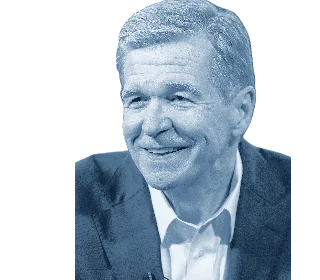
(D)
49.8%

(R)
43.5%
Leads, within the margin of error.
October 20–23, 2026
Cooper leads Whatley for Senate
Cooper +6.3
Leads, within the margin of error.
Early voters were asked how they voted. Shares may not add to 100 because of rounding. A dash means the release doesn't report that answer.

All likely voters: 3,292, margin of error ±3.7 points. Democrats only: the 1,157 who call themselves Democrats on the party question, whatever their voter-file registration. A smaller group has a larger margin of error. All our polls
All likely voters: 3,292, margin of error ±3.7 points. Favorable and unfavorable each add “strongly” and “somewhat.”
Roy Cooper leads Michael Whatley for Senate in North Carolina, 49.8% to 43.5%, in our poll of 3,292 likely voters, taken October 20 to 23. That's within the margin of error. The poll's margin of error is ±3.7 points. Undecided and other answers: 6.7%.
Independents favor Cooper, 50.9% to 36.5%. Independents are respondents who did not call themselves a Democrat or a Republican on the party question (they said independent, another party or don't know), whatever their voter-file registration. Women favor Cooper, 53.3% to 41.0%. Men favor Whatley, 47.3% to 45.7%.
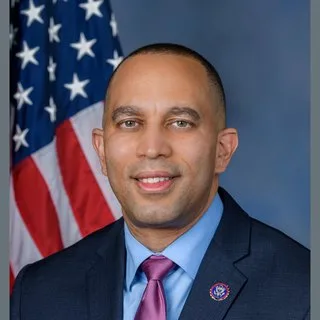
50.1% of likely voters want someone other than Hakeem Jeffries as Speaker if Democrats win the House; 20.0% want Jeffries. Among Democrats, 34.8% want someone else. His job approval is underwater: 57.6% disapprove and 33.3% approve.
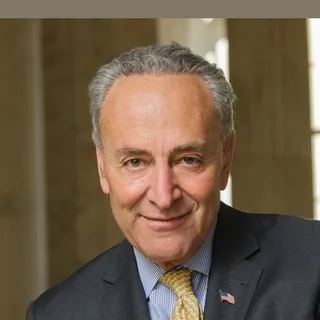
63.5% of likely voters want someone other than Chuck Schumer as Senate majority leader if Democrats win the Senate; 12.2% want Schumer. Among Democrats, 56.2% want someone else. His job approval is underwater: 64.1% disapprove and 28.9% approve.
How each group answered every question: gender, age, race, education, party, ideology, 2024 vote, turnout and geography.
Groups of fewer than 50 interviews are not shown; 50 to 99 are marked for caution.
Disclosure. Sponsored by A Fight Worth Having (super PAC, FEC C00933085); conducted by RedBox Research, AFWH's polling unit. Text message invitation to a self-administered web survey. North Carolina statewide likely voters, n = 3,292, margin of error ±3.7 points including the design effect.
Photos. Cropped, cut out from their backgrounds and tinted for this page.


