Support candidates meeting the moment.
Spheres of Operation
We work in four places at once. The public, who have to want these ideas before anyone can run on them. The campaigns carrying them into districts. The orgs and influencers moving them through the culture. And the members who have to govern once they win. Each one needs something different from us.

The Public
Sphere 1
Candidates can’t run on ideas voters have never heard of. Before a campaign can win on public hospitals, public power, public broadband, or public banking, the public has to know what those things are and want them. Our first job is to build the argument in public, and to make it concrete instead of abstract.
We’re building a media world’s fair of what is possible: the history of American public capacity, the places it still works today, and what a different economy would look like in people’s lives. Videos, essays, television, and original polling, all aimed at moving these ideas from the margin to the mainstream. The day a candidate can campaign on them without having to explain them first is the day they start winning elections.
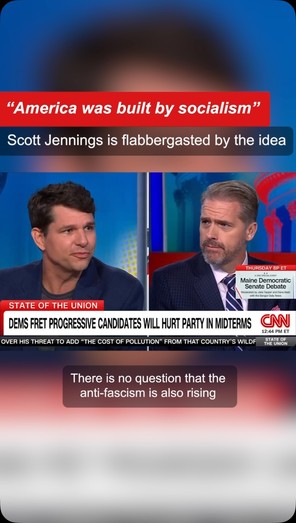
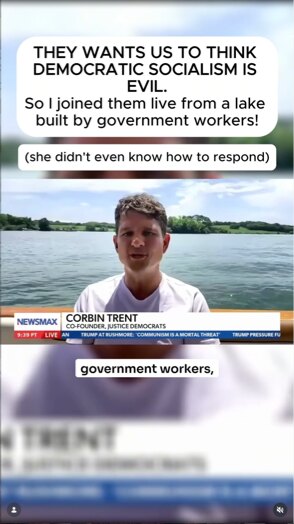
Dozens of appearances on Fox, Newsmax, NewsNation, BBC, CNN’s State of the Union and MS NOW. We go where the party stopped going and make the argument to people who didn’t tune in to agree with us. These three are the clips.


Campaigns, Candidates, Staff
Sphere 2
Insurgent campaigns lose to a chicken and egg problem. Money buys name ID, and name ID raises money. We break it. AFWH is building the campaign infrastructure that’s normally priced out of reach, including incumbent vulnerability tracking, cheaper polling, message testing that reveals an opponent’s weaknesses and a candidate’s own strengths, election and turnout modeling, enriched voter files, and media monitoring across television, radio, and print. We sell it to aligned federal candidates at cost + 5%, with much of it published openly.
And where a race can be won, we spend. Our independent expenditure campaigns run direct mail, phone banking, direct voter contact, social and digital advertising, and radio and television as funding allows, backed by PAC spokespeople who can shape the narrative around a candidate in traditional media. Good candidates shouldn’t lose because the tools cost more than they can raise.

Aligned Orgs and Influencers
Sphere 3
The money raised to change American politics is being absorbed by the consultants and software middlemen who sit between organizations and their goals. Every dollar an aligned group spends on overpriced software or a middleman is a dollar not spent on persuasion.
So we build the tools once and sell them at cost + 5% to the whole movement. Advocacy groups, labor unions, other PACs, and the independent media voices and influencers who now do more to shape political opinion than most institutions. That means clipping and media tracking, trend and social monitoring, voter files, polling, voter contact, CRM, and curated donor lists. Political vendors have run a high-margin racket for decades. We’re undercutting it, and a movement that stops paying rent to its vendors is a movement that can afford to win.


Governing
Sphere 4
Electing someone isn’t the same as changing something. Many of the candidates we support will be challengers, but many will be incumbents we helped elect and intend to keep. Once they’re in office, the job is to protect their time and their focus. A member who spends half the week dialing for dollars and the other half waiting on research they can’t afford is a member who can’t legislate.
We do that from the outside, which is where a super PAC belongs. We run polls, knock doors, buy ads, and fight over the narrative in their districts. Our research and our policy briefs get published in the open, where their staff and everybody else can use them. The direct work belongs to New Consensus and its C3 and C4, and we amplify the legislation coming out of those organizations rather than writing it ourselves. We don’t coordinate with any campaign on how to spend money to win an election.